
Len's Island Tips & Guide: Essential Strategies for Survival, Base Building, Farming, Exploration, and Dungeon Combat

Len's Island is an action-adventure survival game that combines peaceful homestead building with dangerous dungeon exploration. Players gather resources, craft equipment, construct homes, cultivate crops, and venture into mysterious locations filled with enemies and valuable discoveries.
One of the game's biggest attractions is the freedom to decide how to develop your island life. You can spend time designing an attractive home, build an efficient farming operation, or focus on gathering stronger equipment before exploring more dangerous areas. However, survival and exploration are closely connected: the resources you collect during the day can help prepare you for combat, while dungeon rewards can support your next stage of development.
For new players, the biggest challenge is balancing these different activities. Spending too much time building can leave you underprepared for combat, while exploring dangerous areas without sufficient equipment can lead to repeated setbacks. Managing resources carefully and choosing sensible progression goals makes the experience much smoother.
This guide covers ten essential strategies for developing your homestead, managing resources, improving combat readiness, and exploring Len's Island more effectively.
1. Understand the Core Gameplay Loop
Len's Island combines gathering, crafting, construction, farming, and combat into a connected progression system. Each activity provides something useful for the others, so learning how to balance them is essential.
At the beginning, you will spend much of your time collecting basic materials and crafting the tools needed to expand your capabilities. As your equipment and settlement improve, you can explore more challenging areas and obtain resources that were previously difficult to acquire.
Start With a Clear Set of Priorities
Instead of trying to build an elaborate home and explore every available location immediately, establish a reliable foundation.
Focus on these early objectives:
- Gather essential materials for tools and construction.
- Establish a functional home base.
- Craft equipment that supports gathering and survival.
- Learn the basics of farming and food production.
- Prepare for exploration before entering dangerous areas.
These goals provide a practical starting point without forcing you into a single playstyle.
Understand How Activities Support One Another
Resource gathering supplies your crafting projects. Crafting improves your tools and equipment. Farming provides a renewable source of food, while exploration introduces new resources and rewards that can accelerate progression.
Before starting a major project, consider which systems it depends on. If a new weapon requires materials you have not collected, gathering those materials may be more productive than continuing to expand your house.
Thinking about progression as a connected system helps you make better decisions.
2. Gather Resources and Manage Your Inventory
Resource gathering is one of the most frequent activities in Len's Island. Wood, stone, plant materials, and other resources are necessary for crafting, construction, and settlement development.
The challenge is not simply finding materials. You also need to decide what to collect, how much to keep, and when to return to your base.
Prioritize Resources for Your Current Goal
Before leaving your home base, decide what you want to accomplish. If you plan to construct a new building, focus on the materials required for that project. If you want to improve your equipment, prioritize the ingredients needed for the relevant crafting recipes.
You can collect additional resources along the way, but avoid filling your inventory with materials that do not support your immediate plans.
A targeted gathering trip is often more productive than wandering around collecting everything indiscriminately.
Keep a Reserve of Common Materials
Frequently used resources can become inconvenient bottlenecks when you suddenly need to craft several items or complete a construction project.
Maintain a modest reserve of common materials so that you can respond to new requirements without starting another gathering trip every time.
However, do not hoard everything. Materials should support your progression rather than remain unused indefinitely.
Combine Gathering With Exploration
When traveling to a new area, collect useful resources that appear along your route. This reduces the need to revisit the same locations solely for materials.
Pay attention to which regions provide particular resources and remember locations that are worth returning to.
As your tools improve, revisit familiar areas when appropriate. Better equipment can make previously time-consuming gathering tasks more manageable.
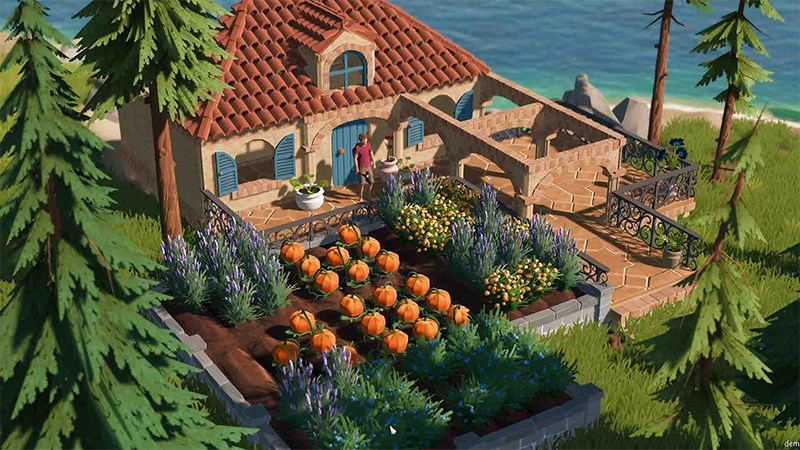
3. Build an Efficient and Expandable Home Base
Your home base provides a place to store resources, craft equipment, organize farming, and prepare for exploration. A well-planned settlement makes everyday tasks easier and gives you room to expand as you unlock additional possibilities.
There is no need to construct a massive base immediately. A compact, functional layout is more useful during the early game.
Build Around Your Essential Workflows
Consider how you move between storage, crafting stations, farming areas, and other frequently used facilities. Placing related structures near one another can reduce unnecessary movement.
For example, keeping commonly used materials near the stations that consume them makes crafting more convenient. Similarly, organizing farming areas so that you can access crops and relevant storage easily can simplify routine tasks.
Your layout should reflect how you actually play rather than follow a purely decorative design.
Leave Space for Future Construction
One common beginner mistake is filling every available space with buildings before understanding the settlement's long-term requirements.
Leave room for additional crafting facilities, storage, and farming as your needs change. A flexible layout allows you to expand without constantly rebuilding existing structures.
Separate Practicality From Decoration
Len's Island offers opportunities to create attractive living spaces, but decoration should not interfere with essential progression.
Start by ensuring that your base supports gathering, crafting, storage, and farming. Once those systems work comfortably, invest more time in improving the appearance of your home.
A functional base can still be beautiful, and a planned layout makes later decoration easier.
4. Develop Farming and Maintain a Reliable Food Supply
Farming is an important part of building a sustainable life on Len's Island. Cultivating crops can provide useful resources and help reduce dependence on constantly searching for supplies.
A well-managed farm also supports longer exploration sessions because you can maintain a renewable source of food and other agricultural products.
Start With a Manageable Farm
Begin with a small agricultural area that you can maintain without sacrificing other essential activities. Expand when you understand the crops available and the resources required to grow them.
Before planting, consider what you need most. If a particular crop supports your current crafting or food requirements, it may deserve priority over crops that offer little immediate benefit.
Make Farming Part of Your Routine
Check your crops regularly and handle agricultural tasks when convenient. Combining farm maintenance with other activities helps prevent it from becoming a separate, time-consuming chore.
You can collect resources, craft equipment, or organize your inventory while planning when to return to your farm.
Use Farming to Support Exploration
Before setting out on a longer expedition, make sure your base is in good condition and your food-related needs are covered.
A reliable home routine allows you to focus on exploration without feeling that every trip must be interrupted to maintain basic supplies.
Avoid Expanding Too Quickly
A large farm may look impressive, but it is not automatically more efficient. Additional crops can demand more attention and may consume resources that would be more valuable for equipment or construction.
Expand according to your actual needs and keep your agricultural operation easy to manage.
5. Craft Better Tools, Weapons, and Equipment
Crafting is central to progression because better tools make gathering easier, while improved weapons and equipment help you handle dangerous encounters.
Your early crafting decisions should focus on items that offer clear benefits rather than trying to produce everything at once.
Improve Tools That You Use Frequently
Gathering tools are particularly valuable because you rely on them to obtain the materials needed for almost every other activity.
When an upgrade becomes available, consider how often you use the relevant tool and whether the improvement will save meaningful time.
Better gathering efficiency can have a broad effect on your progress because it reduces the effort required for future construction and crafting.
Prepare Equipment for Combat
Before entering a dangerous area, review your available weapons and equipment. Make sure you understand their basic functions and whether they are suitable for the challenges you expect to encounter.
Do not assume that the equipment sufficient for early exploration will remain adequate in every subsequent area.
If an encounter becomes consistently difficult, return to your base and improve your preparation before trying again.
Avoid Spending Every Resource on Upgrades
Equipment improvements can be valuable, but crafting also competes with construction, farming, and other development goals.
Prioritize upgrades that address an actual limitation. If your current equipment works well for gathering but is insufficient for combat, focus on the equipment that helps you overcome that specific problem.
This targeted approach prevents you from exhausting your stockpile on upgrades that offer little immediate value.
6. Learn Combat Basics Before Entering Dangerous Areas
Combat is a major part of Len's Island's exploration experience. Dangerous locations can offer valuable rewards, but entering them without adequate preparation can lead to frustrating defeats.
Improving your combat skills requires more than acquiring stronger equipment. You also need to understand enemy behavior, manage your positioning, and recognize when to retreat.
Observe Enemies Before Attacking
Different enemies may use different attack patterns and movement behaviors. Take time to observe these patterns rather than attacking continuously without considering the risks.
Watch for opportunities to avoid incoming attacks and respond when it is safe to do so.
Learning how encounters work can reduce unnecessary damage and make difficult fights more manageable.
Use Positioning to Your Advantage
Avoid allowing enemies to surround you whenever possible. Pay attention to your surroundings and consider where you can move safely during an encounter.
Keep enough space to react to enemy movements and avoid becoming trapped against environmental obstacles.
If a fight becomes chaotic, focus on regaining control of your position instead of continuing to attack without a plan.
Know When to Retreat
Not every encounter needs to be completed immediately. If you lack sufficient equipment or are struggling to manage the enemies, retreating can be a sensible decision.
Use the opportunity to gather resources, improve your gear, and prepare more carefully.
Returning stronger is often more efficient than repeatedly attempting a fight with the same inadequate preparation.
7. Explore Dungeons and Approach Progression Carefully
Dungeons offer some of the more challenging experiences in Len's Island. They can provide valuable rewards and opportunities to advance, but they also require preparation and careful decision-making.
Treat each expedition as a planned activity rather than an impulsive detour from your normal routine.
Prepare Before Entering
Review your equipment, inventory, and current objectives before starting a dungeon expedition. Ensure that your character is adequately prepared for combat and that you understand the purpose of the trip.
If you are exploring an unfamiliar area, avoid bringing an unnecessarily complicated set of objectives. Focus on learning the environment and making steady progress.
Advance at a Sustainable Pace
Do not rush through dangerous encounters simply to reach the next area. Take time to understand the enemies you face and recognize situations where additional preparation would help.
If a section proves difficult, consider whether improving your equipment or adjusting your combat approach would make the next attempt easier.
Progress is more reliable when you learn from each encounter.
Collect Rewards With a Purpose
Dungeon exploration can provide materials and items that support further progression. Before embarking on a trip, consider what you hope to gain and how those rewards will improve your capabilities.
After returning, use your discoveries to strengthen your equipment, develop your base, or unlock useful crafting opportunities.
This creates a productive cycle in which exploration directly supports future adventures.
8. Organize Storage and Avoid Resource Bottlenecks
As your settlement expands, inventory and storage management become increasingly important. You may need to keep materials for construction, crafting, farming, and equipment upgrades at the same time.
Without a clear system, it becomes easy to lose track of resources or discover that a planned project cannot be completed.
Store Materials by Purpose
Organize your storage so that commonly used resources are easy to identify and retrieve. Grouping related materials together makes it easier to check whether you have enough supplies for a particular project.
You can separate basic construction materials, crafting ingredients, agricultural goods, and items intended for future upgrades according to your preferred layout.
The best organization system is the one you can maintain consistently.
Keep Rare Materials Until You Understand Their Value
Selling or using every unusual item immediately can create problems when you later discover that it is needed for a valuable recipe or progression requirement.
When you encounter an unfamiliar resource, consider holding onto at least some of it until you understand its purpose.
You can sell surplus quantities when you are confident that they are no longer required for your immediate plans.
Identify the Source of Shortages
If you repeatedly run out of the same resource, do not treat each shortage as an isolated problem. Determine whether you need to gather more efficiently, change your production routine, or reduce unnecessary consumption.
A small adjustment to your resource management can prevent repeated interruptions across multiple projects.
9. Balance Building, Exploration, and Progression
Len's Island supports several different playstyles, and the most enjoyable approach depends on what you want from the game. Some players prefer creating a detailed home, while others are more interested in combat and exploration.
You do not need to give every activity equal attention, but maintaining a reasonable balance can make progression smoother.
Choose a Main Goal for Each Session
Before starting a major activity, decide what you want to accomplish. You might focus on expanding your base, improving equipment, establishing a farm, or exploring a dangerous location.
Having a clear objective makes it easier to decide which smaller tasks are worth completing along the way.
If you are collecting materials for a building project, for instance, gather what you need before spending the entire session on unrelated exploration.
Alternate Between Preparation and Adventure
A useful routine is to develop your base, prepare equipment, explore for resources and rewards, and then return to improve your settlement.
This cycle allows each activity to support the next. Base development improves your readiness for exploration, while exploration provides resources that make further development possible.
Do Not Let Optional Projects Delay Important Upgrades
Decorative construction and optional crafting can be enjoyable, but they may compete with equipment improvements or other progression requirements.
If you encounter a difficult area that requires better preparation, consider postponing less urgent projects until you have addressed the problem.
You can return to decorative improvements when your immediate objectives are under control.
Adapt Your Strategy as You Progress
The priorities that work during the early game may become less important later. As your equipment, resource availability, and settlement improve, adjust your routine to match your new capabilities.
Review which activities are producing the most value and invest more time in the ones that support your current goals.
10. Avoid Common Beginner Mistakes and Build for Long-Term Success
The biggest mistakes in Len's Island usually come from poor preparation, inefficient resource use, or trying to progress too quickly. A little planning can make a significant difference.
Do Not Explore Without Adequate Preparation
Dangerous areas can punish players who enter without suitable equipment or a clear plan. Before venturing into unfamiliar locations, make sure your gear and supplies match the challenge.
If you are repeatedly struggling with an encounter, improve your preparation instead of relying on luck.
Avoid Building Too Much Too Soon
A large base can consume substantial quantities of materials without improving your immediate ability to survive or explore.
Build essential facilities first and expand when your resources and progression justify the investment.
Do Not Ignore Farming and Resource Management
Focusing entirely on combat can leave your home base underdeveloped. Without reliable supplies and organized storage, every new expedition becomes more difficult to prepare for.
Maintain a basic home routine so that your settlement continues to support your adventures.
Avoid Collecting Without a Goal
Gathering everything in sight may seem productive, but it can waste time when you need specific materials for a project.
Set priorities before leaving your base and collect additional resources when they are convenient rather than allowing them to distract you.
Make Gradual Improvements
You do not need to optimize every system immediately. Improve the part of your gameplay that is causing the biggest problem, whether that means upgrading a tool, reorganizing storage, expanding your farm, or improving combat readiness.
Small, purposeful improvements accumulate into a much stronger settlement and a more capable character.
Conclusion
Len's Island blends survival, base building, farming, crafting, and dungeon exploration into a rewarding progression experience. Beginners can make steady progress by gathering resources with a clear purpose, establishing a practical home base, maintaining a manageable farm, and crafting tools and equipment that support their immediate goals.
As you explore more dangerous locations, prioritize combat preparation, learn enemy behavior, and treat each expedition as an opportunity to gain useful resources and experience. Back at home, keep storage organized, avoid unnecessary construction, and maintain a routine that supports your next adventure.
The most effective strategy is to let each part of the game strengthen the others. A productive base prepares you for exploration, dungeon rewards improve your capabilities, and better equipment makes future resource gathering easier. With thoughtful planning and gradual upgrades, you can build a thriving island home while confidently exploring the dangers beyond it.
Description: Master Len's Island with tips for survival, base building, farming, resource management, crafting, combat, dungeon exploration, and efficient progression.